Xenon Lighting System Packaging Boxes For Complete Kits
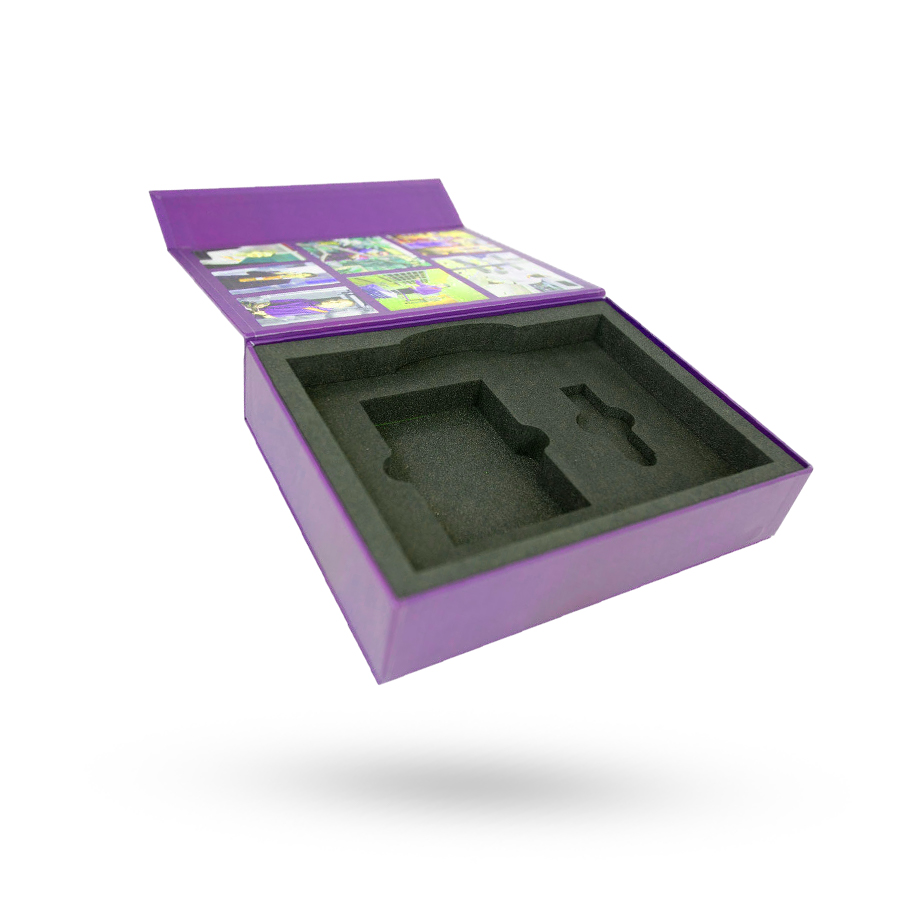
Our Xenon lighting system packaging boxes protect comprehensive lighting solutions including multiple components. We develop designs to fit matching pairs of xenon bulbs and their respective ballasts, mounting brackets and connection harnesses. The inside layouts isolate the electronic parts and the glass bulbs that may break when they come into contact during shipping and handling.
The packaging provides clear identification of the components that are to be used together, which is essential in case of systems that use varying bulb types in the low beam and those in the high beam applications. The technical diagrams are printed in boxes and lead the installer through the correct connection sequence minimizing the mistakes made during the installation, which may break the expensive parts or lead to safety issues.
The boxes handle different system configurations such as simple replacement to full retrofit kit of cars that had originally halogen lighting. Protective cushioning deals with the various levels of fragility with delicate bulbs getting the highest level of protection and the more robust ballasts and wiring getting less elaborate cushioning.
Lighting Packaging Boxes Serving Diverse Illumination Products
Lighting Packaging Boxes accommodate wide-ranging illumination products from residential light bulbs. We develop universal solutions that cater to LED, halogen, fluorescent and xenon technology with each having its own packaging challenges. Automotive boxes light products must be tough to withstand harsh postal treatment whilst architectural light products must be attractive to display in showrooms and will attract design sensitive specifiers.
The industrial lighting packaging also focuses on the durability specification and working parameters whereas the residential products are oriented on energy conservations and beauty. The boxes are also equipped with the right cushioning material depending on the fragility of the product with fragile filament bulbs that need greater protection compared to solid-state LED units.
Technical details are well formatted with the type of base, wattage, voltage requirements and beam angles that assist customers in choosing the right products to use in a given application. Ecological data emphasize energy efficiency, working life and the disposal practices of products that contain mercury or other controlled substances.
Why Choose The Packaging Tree For Xenon Lighting Packaging Boxes
The xenon lighting packaging boxes portray profound understanding of technical requirements and safety concerns that delineate the high-intensity discharge lighting and the traditional counterparts. Protective solutions that we develop to solve special problems that pressurized xenon bulbs pose include shock protection of glass envelopes and shock-free high-voltage electronic components.
Designing strengths Our design capabilities consider both the technical and marketing goals of producing packaging that will inform their customers and appeal to them in a competitive lighting market. We use high quality materials and high precision production that guarantees the same level of quality products that safeguard your major investments on products during the distribution process.
The Packaging Tree provides xenon lighting packaging boxes, which are a combination of technical knowledge, protective engineering and strategic marketing design which lighting manufacturers rely on to protect products and create a solid brand presence.
- Lamp Type: High-intensity Xenon Arc Lamp (e.g., 300-watt).
- Intensity: Variable 0–100%.
- Cooling: Low-noise fans with high-efficiency down-flow cooling systems.
- Wavelength Range: Typically 240–2400 nm or 300–2500 nm, often with full quartz material.
- Construction: 304 Stainless Steel (common in pass box/industrial units).
- Electrical: 220V 50Hz, featuring high-voltage ignition systems (18,000 to 30,000 volts required for startup).
- Dimensions (Pass Boxes): Typically around 600 x 600 x 600 mm (internal) to 860 x 690 mm (external).
- Features: Often include Magnetic stirring, temperature measurement, and exhaust functions (photochemical reactors).
.webp "Xenon Lighting System Boxes")
.webp "Xenon Lighting System Boxes")
.webp "Xenon Lighting System Boxes")
.webp "Xenon Lighting System Boxes")




















.webp "Christmas Gift Hang Tags")

.webp "Waterproof Flower Wrapping Paper")
.jpg.jpeg "Custom White Pillow Boxes")
