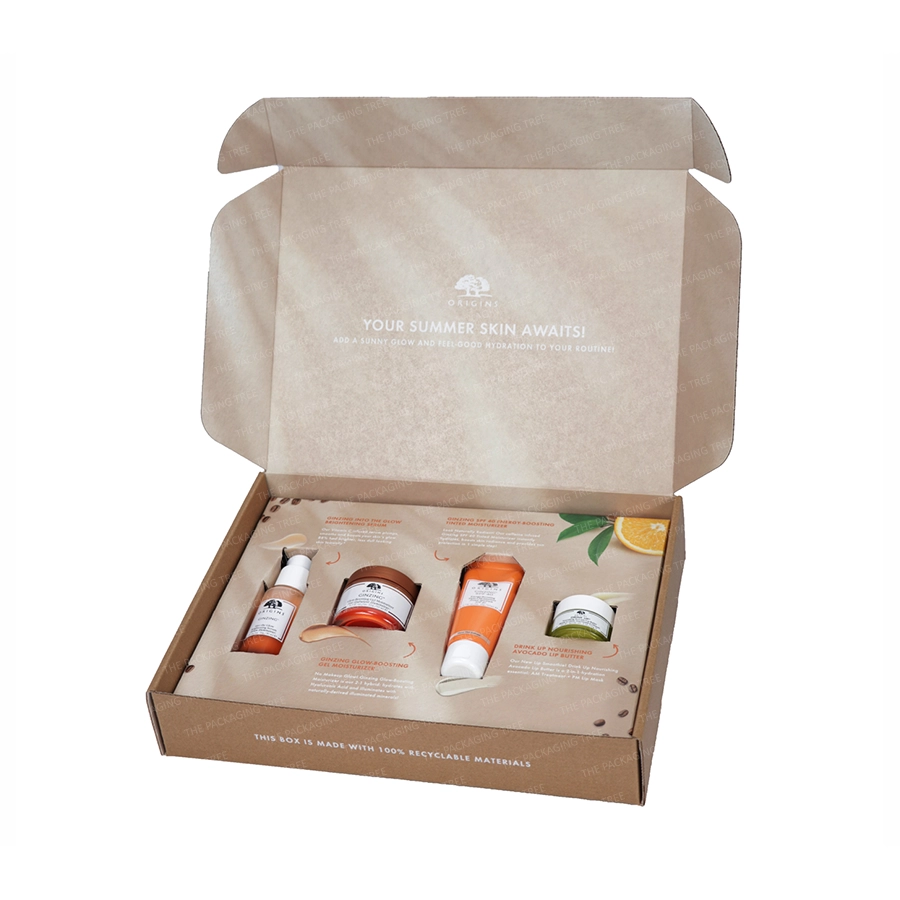
We know all cosmetic products, big or little, have to be packed in a particular way. This is the reason why we have a range of styles such as rigid boxes, tuck end boxes, and a style of packaging in the form of a drawer. This is because no matter the amount of lipsticks, mascaras, highlighters, eyeshadow kits you make, our boxes are designed to fit exactly the product.
We create packaging at The Packaging Tree, which speaks of your brand. Every makeup box will be a marketing device that will assist you in promoting your business. We apply bright colors, innovative graphics and the good typeface to make your packaging conspicuous. It is also necessary to add your logo, tagline and product details in order to make every box a branded experience.
Best Makeup Boxes at the Price You Want
Are you looking for the best makeup boxes at the price you want? Look no further! Our makeup boxes are made with superior materials and unique personalizations that will make your product stand out.
We offer a wide range of sizes, shapes, and colors, making finding the perfect option for your product easy. Our cosmetic storage boxes are also designed to be lightweight and durable, meaning that your products will remain secure during transport.
Furthermore, all boxes come with custom packaging options, allowing you to create a unique look for your products. And if you need more than that, we also provide competitive prices for our boxes, giving you the best value for your money. With our boxes, you can be sure you'll get the best quality makeup boxes at your desired price.
Professional Makeup Boxes Designs and Layouts
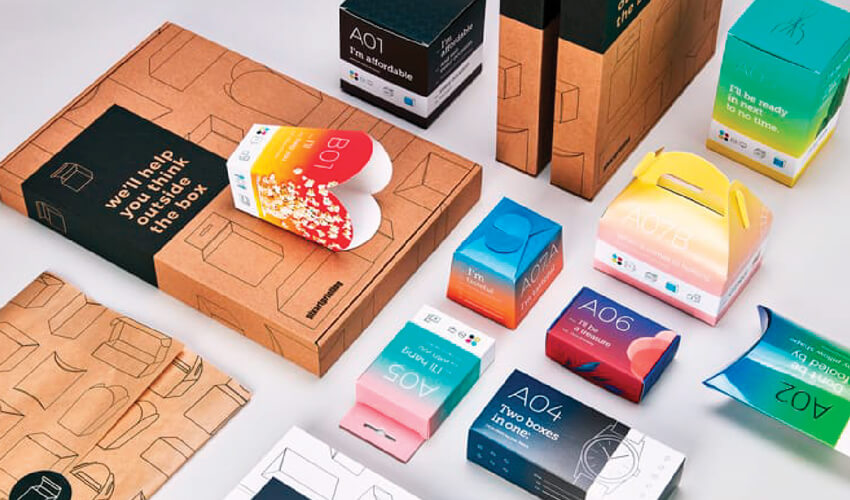
At TPT, we understand the importance of beautiful designs and layouts in your packaging. Our boxes come with creative and stunning designs and layouts that will draw the attention of your target audience. You can choose from various custom designs for your packaging that are eye-catching and functional.
We offer our customers a wide range of customization options, allowing you to choose the design, colors, size, shape, material, and more. Our expert designers have decades of experience in creating amazing layouts and designs for makeup boxes that can make your products stand out from the competition.
With our professional makeup box designs and layouts, you can be sure that your products will look stunning and elegant. We use high-quality materials in all our boxes to ensure they are durable and long-lasting. We also use advanced technologies to create precise dimensions and perfect finishes to ensure your boxes have a unique look and feel.
Our expert team of designers is ready to help you create the perfect packaging solution for your makeup products. Whether you're looking for simple or complex designs, we'll work with you to create the perfect packaging for your needs. So don't hesitate to contact us for the best professional makeup box designs and layouts to help you stand out!
How our Makeup Boxes are Different
At TPT, we understand that you want to stand out from the crowd with your cosmetics packaging. That's why our makeup boxes are unique and different from the others. We create stunning and attractive designs custom-tailored to your business needs.
Our design team works hard to ensure that every detail is considered so that the boxes meet your requirements and exceed customer expectations.
This ensures that the products inside remain safe and secure for long periods. The use of biodegradable materials in our makeup boxes makes them environment-friendly. This makes them a great choice for your business as they will help you meet sustainability goals.
Our expert team can create an amazing, innovative design that perfectly suits your brand. We also offer luxury and top-notch finishes such as embossing, foil stamping, lamination, and die cutting.
Try Our Custom Makeup Boxes with Amazing Personalizations
We understand the importance of having the perfect packaging for your makeup products. We offer great personalizations for our custom boxes, so you can create a unique and eye-catching design that sets your product apart from the competition. Our experienced professionals will work with you to create a box that meets all your needs and reflects your business goals.
Our team of experts is also available to help you decide on the right design elements to bring your product to life. We can advise on logo placement, special features such as windows or ribbons, and any other ideas to make your box stand out.
We also guarantee quick turnaround times and excellent customer service throughout the entire process. With our custom makeup boxes, you can be sure that your products will be displayed in the best way possible, giving your brand the edge it needs to succeed in today's competitive market.
Custom Makeup Packaging According to Your Business Needs
We provide the highest quality packaging solutions for your business needs. We understand that a great makeup box design is essential for your product's success. That's why we offer a variety of custom packaging solutions that can be tailored to meet your specific requirements.
Our team of experienced designers can help you create a unique package that will stand out in the crowd. We have a range of different materials and finishes that can be used to create a unique look for your makeup products. From glossy and matte finishes to solid colors and patterns, we can help you find the perfect packaging solution for your product.
We are proud to offer our customers fast turnaround times so that you can prepare your packaging quickly. Our expert team is always available to answer any questions, so you can rest assured that your order will be handled quickly and accurately. With our low prices and great customer service, it's no wonder why more businesses are turning to us for their custom makeup packaging needs.
Under Your Budget Cheap Makeup Boxes
Are you looking for cheap makeup boxes that don't compromise on quality? Then you have come to the right place. Our boxes provide an affordable solution to help your business grow and stand out. We understand that makeup brands must stick to their budget while delivering the best quality product to their customers.
Our low-cost packaging options maintain quality and design for affordability. Our expert team of designers uses only the latest techniques and tools to create custom makeup boxes that are cost-effective and visually appealing.
We also provide customization options like embossing, debossing, spot UV printing, and more to make your packaging unique and attractive. Our team is always ready to discuss your ideas and budget constraints to provide the perfect solution for your needs. So, if you are looking for high-quality yet affordable makeup boxes, look no further than our collection. Place your order now and experience the difference.
Attract Your Target Audience with Black Makeup Boxes
Black makeup boxes are a great way to show off your cosmetics elegantly and sophisticatedly. These boxes can be printed with unique designs, logos, and other marketing messages to help you stand out. Black is associated with luxury and prestige, so it's the perfect choice for cosmetics packaging.
Not only are black boxes stylish and attractive, but they're also durable. The strong cardboard and metal construction makes them resistant to damage. Your products will stay safe inside until they reach their destination. Plus, the black color helps to create a visually appealing presentation on store shelves or online shops.
These boxes are also very versatile. You can choose a design that fits your business and your target audience. For example, if you specialize in bold and edgy makeup looks, you could use a glossy black box with a bold font for the branding. Or, if you prefer a classic look, you could use a textured matte black finish with subtle gold accents.
These boxes will surely please any cosmetics lover with customizations and options to fit any style or budget.
Why Try Our Custom Makeup Boxes Wholesale?
When purchasing makeup boxes wholesale, you must look for the best deals. Quality and price are both important factors when selecting your packaging materials, and that's why our custom makeup boxes wholesale are the perfect choice for your business. Our boxes are not only stylish and attractive but also durable and cost-effective.
Our makeup boxes provide a professional look to your products, helping you stand out. Plus, our creative designs, colors, and textures will make your cosmetics packaging solutions stand out in any retail environment.
At our Wholesale Boxes, we provide competitive pricing that fits within your budget. With our discounted prices, you can get the best value for your money while still getting quality packaging materials. Moreover, our customer service team is always ready to answer any questions or concerns that you might have.
Competitive Edge of Our Cosmetics Packaging Solutions
Cost-Effectiveness:
Our custom makeup boxes are highly affordable and help you save on costs. With the option of Wholesale, you can benefit from our competitive pricing, giving you a greater advantage over the competition.
High-Quality Material:
We use high-grade materials to produce our custom makeup boxes, ensuring their long-lasting quality and durability. The premium material also makes our boxes look attractive, helping to attract your target audience.
Variety of Designs:
Our custom makeup boxes come in various designs that will fit your brand's requirements. Whether you need classic or modern designs, we have the perfect box!
Quick Production Time:
We guarantee that your orders will be delivered quickly and efficiently. With our production time of 3-5 days, you can be sure that your custom makeup boxes will arrive on time.
Personalization Options:
Our custom makeup boxes are available in different colors, shapes, sizes, and other options. This allows you to customize your boxes according to your needs and preferences.
Environmentally Friendly:
We take great pride in using only eco-friendly cosmetic packaging. Not only does this ensure that our products are safe for the environment, but it also ensures that your customers will appreciate your efforts.
Monthly Best Full Size Makeup Subscription Boxes
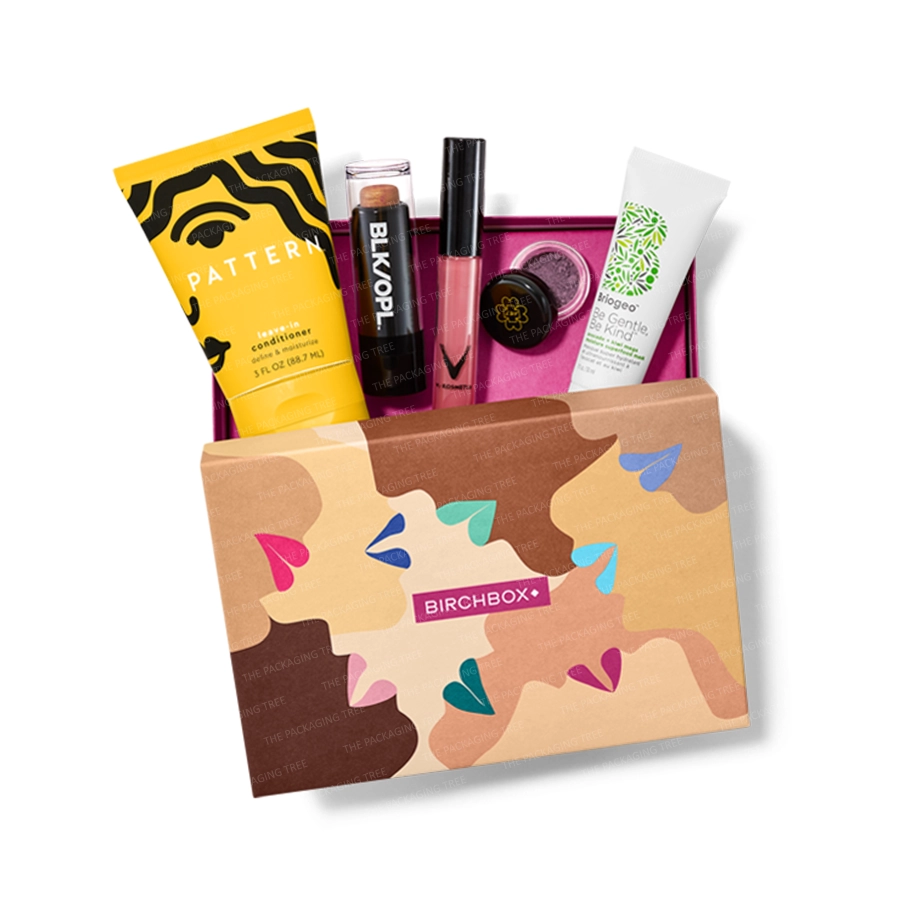
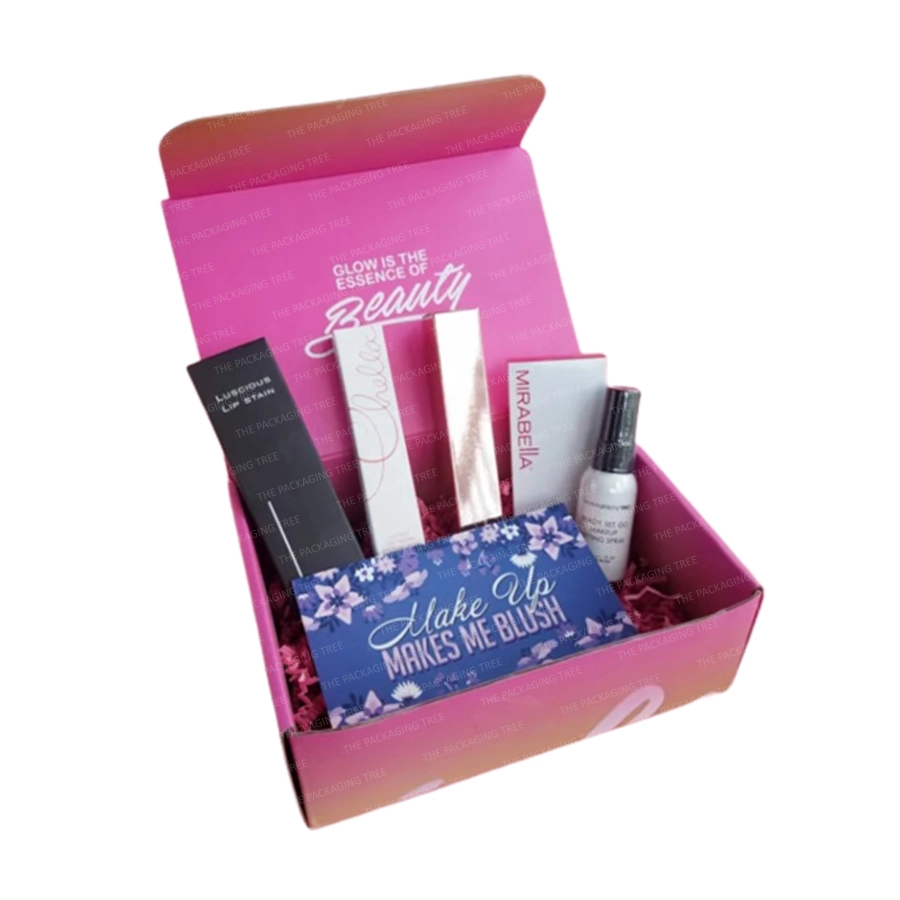
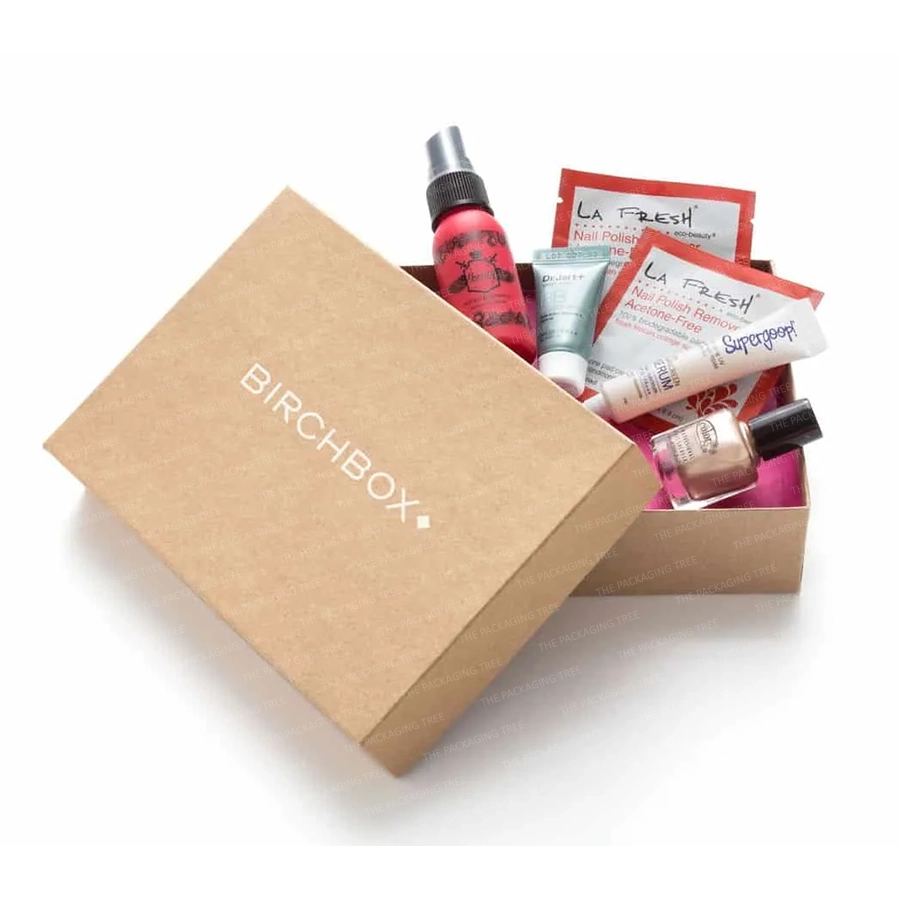
The Packaging Tree provides monthly top full-size makeup subscription boxes with the aim of wowing and entertaining your customers. The ideal boxes that are cozy to use are those that the brands require to provide a luxury unboxing experience but retain a good branding.
We offer the best makeup subscription boxes that are made of quality materials, which are durable and stylish. Our sizes are flexible to make full-size items, like foundations and palettes, or brushes and lip sets. Our design team makes sure that you have designs that align with your actual brand and add the excitement of employing monthly deliveries.
Your small and full size makeup subscription boxes are immediately distinctive with colored printing and artistic designs. We apply the latest printing methods to bring out your logo, promotional messages and the seasonal themes. Each detail, color, type of texture, and finish, is chosen to make a complete brand image.
The monthly makeup subscription boxes that we offer on a regular basis each month will be a great way to create customer loyalty. The high quality appearance of the packaging makes ordinary deliveries into special occasions. Clients are anticipating unwrapping a box that is unique and stylish.
Our boxes can make you add value and style whether you have a beauty brand or a subscription service.
Custom PR Makeup Boxes Wholesale
Keywords: custom makeup boxes, makeup boxes, makeup PR boxes
Our personalized custom makeup boxes will be the best way to advertise your beauty brand at wholesale prices. The Packaging Tree is also focused on designing a package that can help media your product and reinforce your marketing efforts.
Your makeup PR boxes are ideal to use in influencer partnerships, product promotions, and giftings. Each box is precisely designed so as to reflect the personality of your brand. The choice of style and methods varies considerably: bold, eye-catching prints and well-designed, minimal ones, all this depending on your marketing strategy.
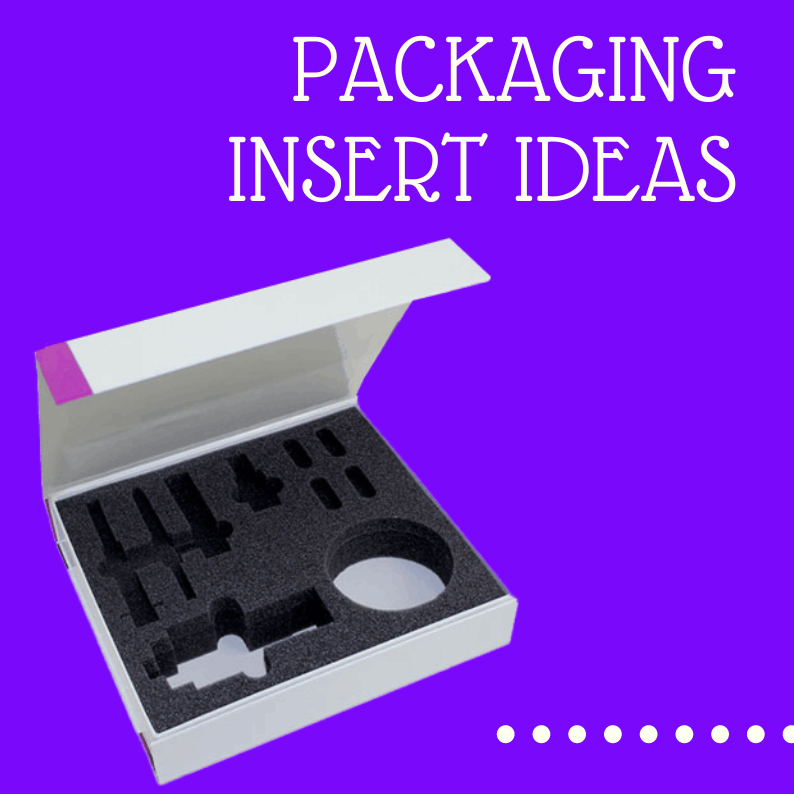
Our high quality cardboard and rigid stock and kraft paper, provide a high degree of structure and high quality feel. The box may also have inserts, magnetic closures or compartments to showcase several products in a nice manner. Wholesale pricing will enable you to get large quantities but control your budget.
One-on-One printing makes your vision come true. Insert your logo, business motto and a product story to make it a complete brand experience. We add gloss, matte, foil or spot UV finishes and provide your PR kits with a professional touch.
PR make-up kits will enable you to produce a permanent impression. Whenever people or clients are getting your packaging they at once realize that your brand takes the best.
Customize Boxes for Makeup
The Packaging Tree removes the hassle of designing makeup boxes to fit your product range and brand narrative. You want a thin, smooth mascara package or a large kit of a palette, we can design something so that it can fit your requirements. That is how we customize boxes for makeup.
Our materials, shapes and finishes are diverse to enable you to shine out. Select recyclable cardboard to be sustainable or hard stock to be luxurious. We do not sacrifice quality printing and thus your artwork looks sharp, vibrant and professional.
Each detail of a box, such as its size, style, color scheme and way it is closed, can be customized. It has a place to place your logo, brand name, and tagline as a potent marketing instrument in every box. Our design team gives the packages the look of what you consider yourself to be, modern, minimalistic, or bold.
Tailored packaging improves the way it is presented, and how the customer experiences. Making a makeup box of good quality and creating customer trust on the first sight is communicated through a well-crafted one. Your boxes are muster, well cut on the die, and designed to last.
Your package would be the most memorable experience in stores, web and unboxing with our skills.
Why Choose The Packaging Tree for Your Cosmetic Boxes?
Select The Packaging Tree since we manage to merge novelty, resilience and accuracy in each cosmetic box. The Custom shapes, the colorful prints and quality ideas all come out in our packaging to enable you to create a strong brand presence. Eco-friendly materials are also used to ensure the security of your products and of the planet. We ensure that through high output, low minimum order quantities and professional advice, it is easy and cheap to customize. Believe us to provide cosmetic boxes in such a way that they appeal to buyers, reflect your style, and increase your sales.











.webp "Medicine Boxes")
.webp "Soap Wrapping Paper")