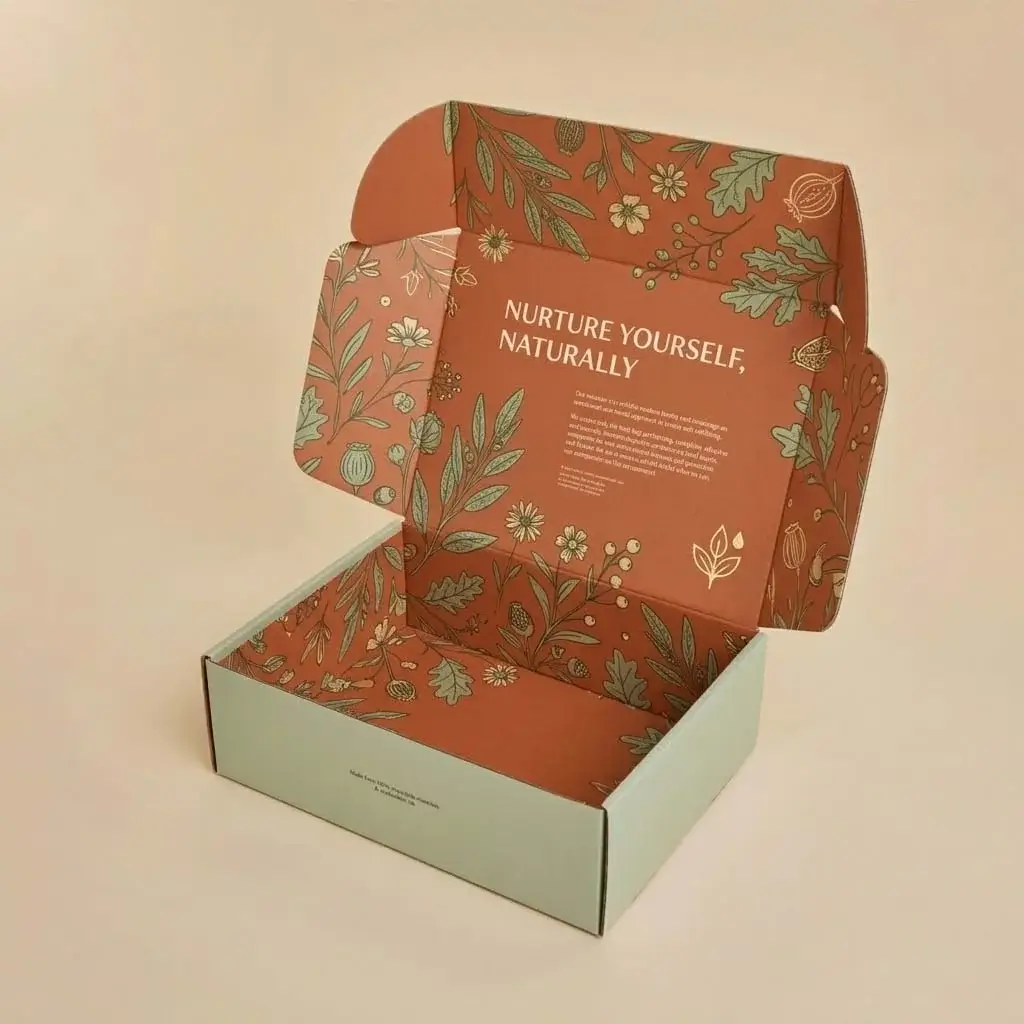
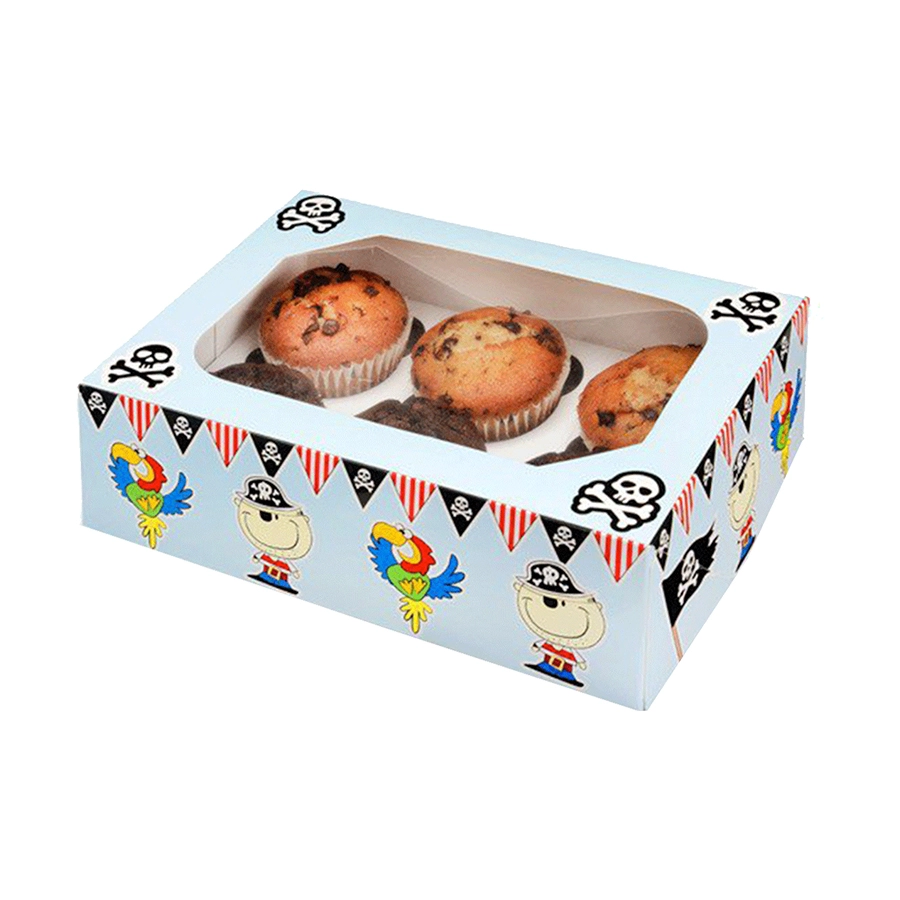
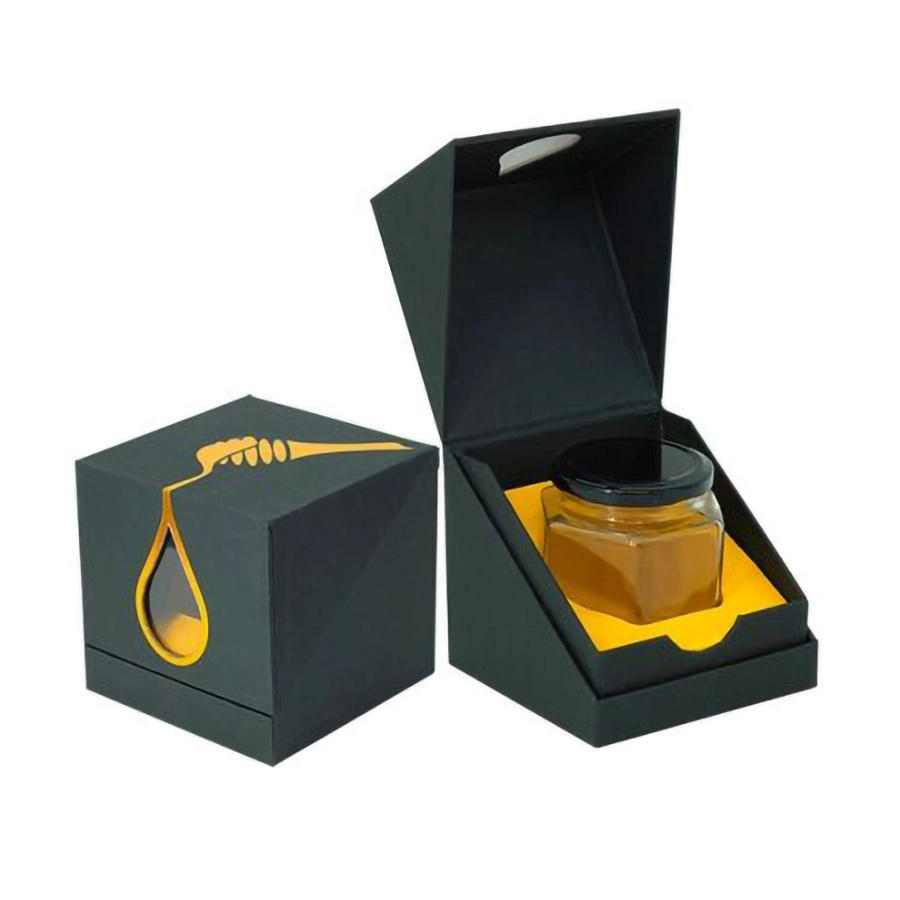
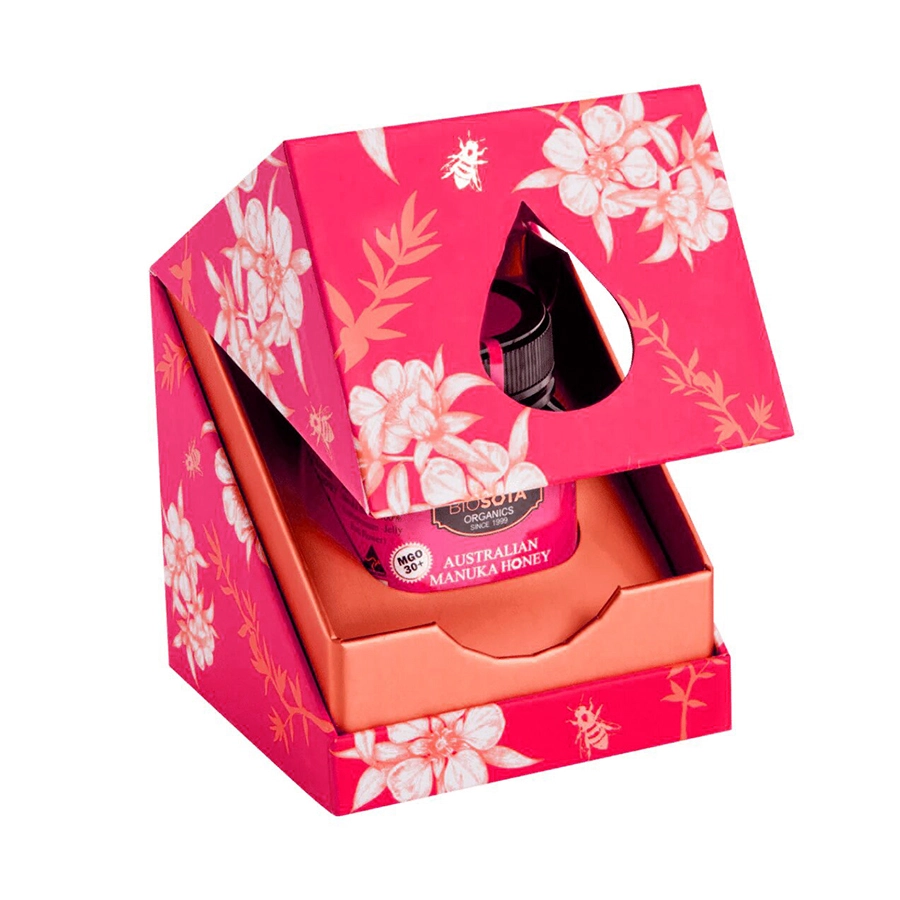
We Offer Innovatively Designed Honey Boxes in all Styles
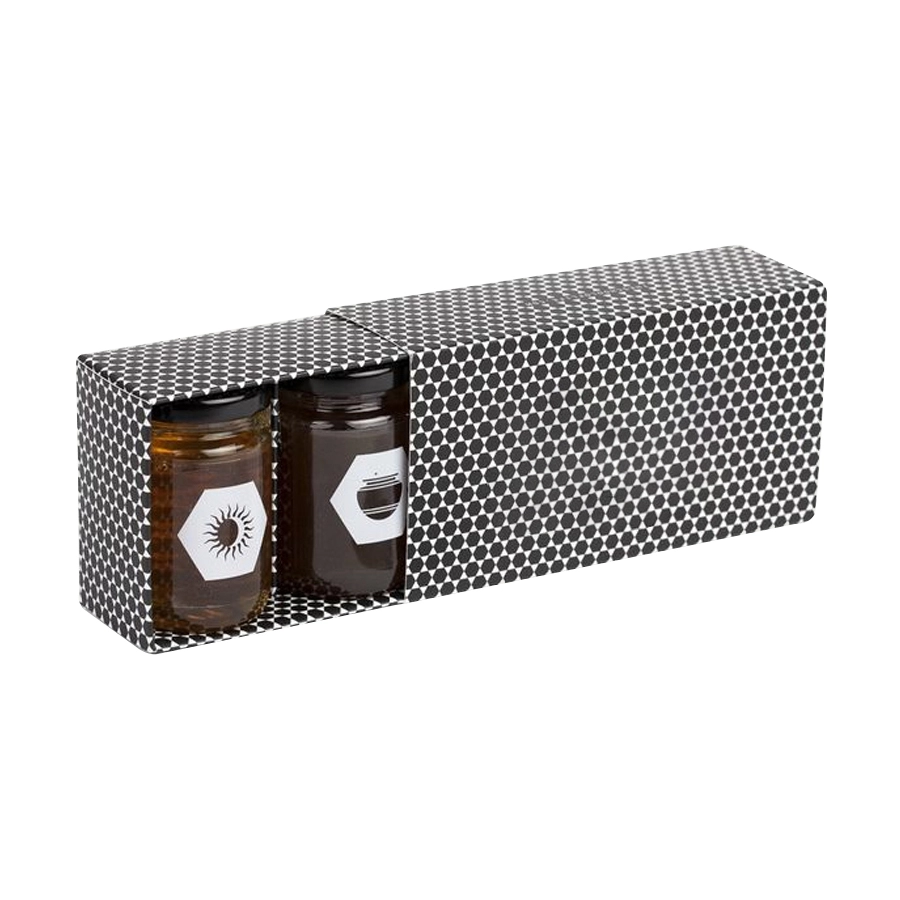
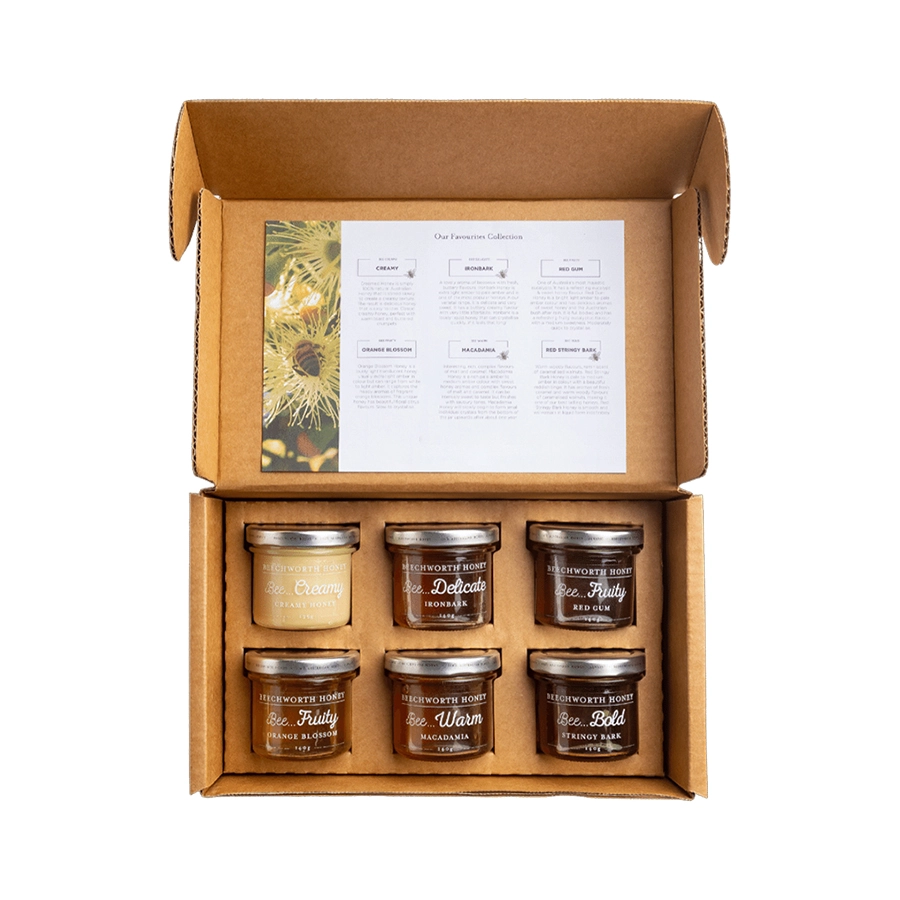
Our Company offers a wide variety of honey boxes with innovative designs. You can get honey boxes in all shapes and sizes from us, perfect for any product you have in mind.
Whether you need a unique box for your honey brand or something more traditional and elegant, our custom honey boxes are the perfect option. We take pride in our craftsmanship, using quality materials to ensure our boxes' best look and highest durability.
With our honey boxes, you can showcase your product in an eye-catching and stylish manner while keeping it safe from external damage. Choose from various options to find the perfect match for your brand!
Honey Packaging to Put a Great Impact on Your Customers
Having an eye-catching and creative honey packaging box is essential to make a significant impact on your customers. Custom Honey Boxes by Our Company are designed to maximize the effectiveness of your packaging design.
Our boxes come in various styles and sizes, making it easy to find the perfect box to showcase your product. Our packaging solutions are also affordable and will stay within your budget.
With our help, you can create a unique packaging solution to increase brand awareness and customer engagement. Our custom-printed honey boxes are printed using high-quality ink and paper that can easily withstand any weather condition. So, choose our custom honey packaging boxes to get the maximum customer engagement.
Try Our Honey Packaging Supplies to Ensure Health and Hygiene
At TPT, we understand the importance of ensuring health and hygiene regarding packaging supplies. That is why we offer custom honey boxes made with premium-grade materials. Our honey packaging supplies ensure that all products are safe from contamination and other threats.
These boxes also guarantee that your products remain fresh for a longer time. Furthermore, the airtight design of the box ensures that your products remain secure from any external factors. So if you are looking for a reliable packaging solution for your honey products, then Our Company is your best choice.
We offer cost-effective, durable, and reliable honey packaging supplies that will help to ensure your customer's safety and satisfaction.
Our Honey Packaging Containers Are Easy to Assemble and Disassemble
Making sure that your honey packaging containers look excellent is one thing, but how easy it is to assemble and disassemble can be equally important. With our custom honey boxes, you don't have to worry about time-consuming and difficult assembly procedures.
Our food packaging boxes come with pre-cut slots that enable you to assemble and disassemble them without any hassle quickly. You don't need any tools or external help to put together these boxes; you only need your hands and a few minutes of your time.
They are quick to open, fill up, and close. This way, you can save time and effort while still providing your customers with quality packaging.
Our Honey Boxes Are Eco-friendly and Recyclable.
At Our Company, we understand the need to be eco-friendly and are conscious about the environment. For this reason, we ensure that our honey boxes are made from recyclable materials. Our recyclable packaging is perfect for those who want to reduce their environmental impact.
Our boxes are made from sustainable materials such as cardboard, paper, and other biodegradable materials that can easily be recycled and reused. Not only does this help reduce waste, but it also ensures that your product remains safe and secure during transport.
Furthermore, it provides an excellent way for customers to contribute to a greener world. By using eco-friendly packaging, you can be sure that your products will reach their destinations safely and securely while also supporting the environment.
Brand Boost with Custom Printed Packaging for Honey
Custom-printed honey boxes are an effective way to give a unique identity to your honey business. With custom printing, you can create a personalized look that sets your brand apart from the competition.
You can use high-quality printing to feature your product's logo, brand name, and other essential details. Plus, vibrant colors and attractive designs will help to make your product stand out in the market.
Moreover, adding information like nutritional facts, ingredients list, and other relevant information can help customers make an informed decision. In this way, custom printing will help to promote your brand effectively.
Custom Honey Packaging Boxes for Maximum Customer Engagement
At Our Company, we understand the importance of engaging your customers through your product's packaging. That is why we offer custom honey packaging boxes designed to stand out. Our custom boxes allow you to create designs and branding for your honey that will grab your customer's attention.
Our custom honey boxes are perfect for showcasing the products within, displaying brand information, and creating an overall positive customer experience. We can help you craft the perfect packaging for your honey with vibrant colors and exciting shapes.
Our honey packaging supplies are sturdy enough to protect your product and keep it fresh. With our custom honey packaging boxes, you can ensure maximum customer engagement.
Save Your Budget with Our Honey Boxes Wholesale
Are you looking for a packaging solution for your honey products that won't break the bank? Look no further than Our Company for wholesale honey boxes. With our wholesale honey boxes, you can save money and still get quality packaging materials.
Our wholesale honey boxes come in various shapes, sizes, and colors, so you can easily find a packaging option to suit your budget and needs. Not only that but they're also made of durable materials that will keep your product safe during shipping and storage. Plus, they're eco-friendly and recyclable, so that they won't damage the environment.
So, go ahead and take advantage of our wholesale honey boxes and save your budget!
Why Choose Our Custom Honey Packaging Boxes?
Our custom honey packaging boxes offer a variety of advantages that make them an excellent choice for anyone looking to package their honey products.
Convenient in Usage
Our honey boxes are designed with convenience and durability, ensuring that your products remain safe and secure during transport and storage. Our honey boxes are also easy to assemble and disassemble, making them ideal for short-term or longer-term storage.
Green Packaging Solutions
Our custom honey packaging boxes are also made from eco-friendly and recyclable materials, meaning they have a minimal environmental impact. Our custom printing options also allow you to create packaging boxes with your brand's logo or other graphics to help your customers remember and recognize your brand. This ensures maximum customer engagement and boosts your business's visibility.
Market Competitive Pricing
At TPT, we believe in offering high-quality products at the best prices. That's why we offer wholesale prices for bulk orders of honey boxes, allowing you to save money on your packaging supplies without compromising on quality. We also provide speedy delivery, meaning you won't have to wait long for your products to arrive.
Best Customer Support
Our custom honey packaging boxes are the perfect choice for anyone who can safely store and transport their honey products. With our eco-friendly materials, custom printing options, affordable prices, and fast delivery, you can be sure that your products will be well taken care of when you choose Our Company for your packaging needs.
















.webp "Custom Scar Gel Box")