Protective and Health-Oriented Eco-friendly Packaging for Food
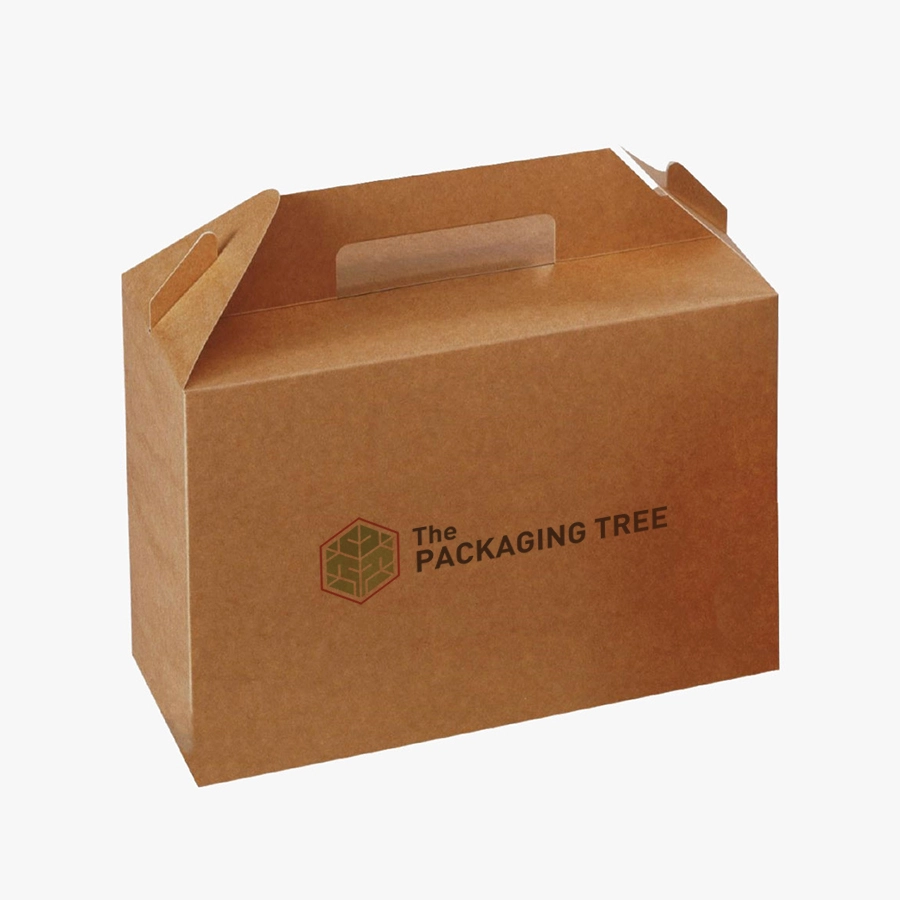
As the world becomes increasingly conscious of the environment, businesses are looking for ways to reduce their carbon footprint and make their operations eco-friendlier. One way companies can do this is by switching to eco-friendly packaging for food. Eco-friendly packaging solutions are made from materials with a minimal environmental impact, such as recycled paper, cardboard, glass, and biodegradable plastics. This type of packaging is reusable and recyclable, making it a great way to reduce waste and conserve resources.
Eco-friendly packaging helps businesses to reduce their carbon footprint in multiple ways. First, it reduces the number of materials needed for packaging food products. Second, eco-friendly materials are generally more durable than traditional plastics or cardboard, allowing companies to reduce their packaging costs. Lastly, eco-friendly packaging is made from renewable materials, reducing reliance on non-renewable resources like oil.
Improved Customer Experience with Green Food Packaging
Eco-friendly packaging for food also helps to improve customer satisfaction by giving them a healthier and more environmentally conscious product. Consumers are increasingly aware of their environmental impact and are looking for ways to reduce their carbon footprint. Using eco-friendly packaging, businesses can show customers that they are committed to sustainability and environmental responsibility. Overall, eco-friendly packaging for food provides an excellent way for companies to reduce their environmental impact while also increasing customer satisfaction. It is an easy solution that does not require significant investments or major changes in operations. Companies looking to make their operations more eco-friendly should consider switching to eco-friendly packaging for food.
Saving Amazing Amounts with Eco-Friendly Food Packaging Wholesale
Eco Food Packaging offers a wide range of eco-friendly food packaging solutions. Our products are made from renewable and sustainable materials like bamboo, paperboard, cornstarch bioplastic, and recycled cardboard. We have everything you need to ensure your customers get their food in an environmentally friendly and sustainable way.
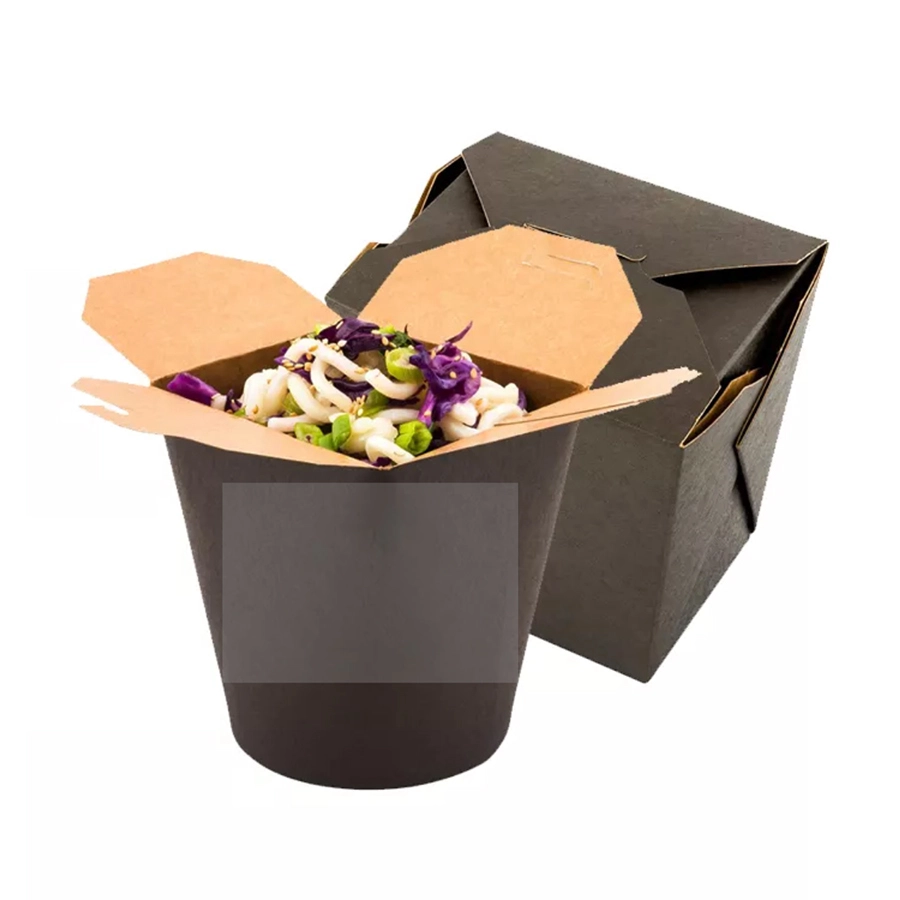
Whether you're looking for takeout containers or food storage containers, we have something that will fit your needs. Plus, our products are competitively priced to give you the best value for your money.
Make sure you're doing your part in protecting the environment by choosing Eco Food Packaging as your supplier of eco-friendly food packaging solutions. Shop with us today and help make the world a better place!
Eco-friendly Packaging Materials for Food
Our company is committed to providing the most sustainable and eco-friendly packaging options for food. We strive to ensure that our packaging materials not only reduce the environmental impact of food transportation but also help to keep products fresh, safe, and secure.
Our packaging materials are made from renewable resources such as cornstarch, sugarcane, bamboo, and other biodegradable materials, which break down naturally and don't produce any waste as they decompose.
We are also working to find new ways of reducing packaging weight, making our products more efficient for transportation, and helping to reduce fuel consumption. Our eco-friendly packaging materials can be used for various food items, from fresh produce to prepared meals and snacks.
By using sustainable packaging materials, we can positively contribute to our environment and help reduce the impact of food waste on our planet.
Creative Designs for Eco-friendly Food Packaging
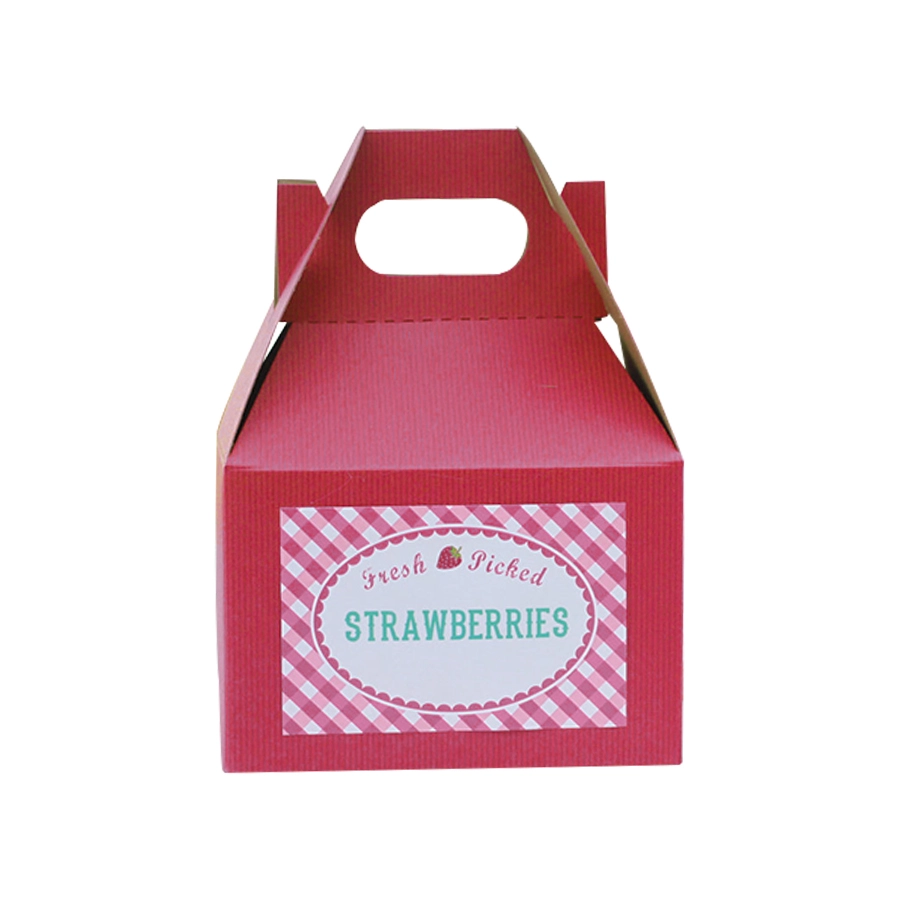
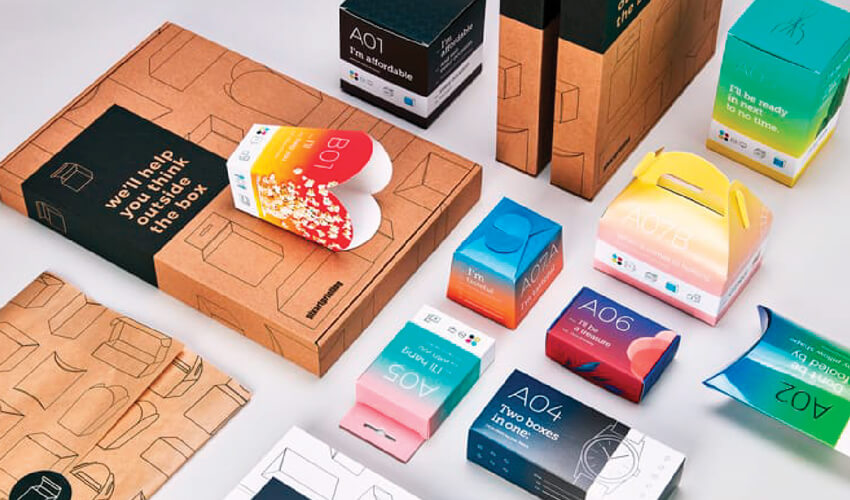
Our company is committed to providing innovative and sustainable solutions for food packaging. We have created a range of eco-friendly options that are both attractive and practical. Our designs use renewable plant-based plastics, paperboard, and aluminum foil to ensure your products reach the consumer safely and securely, while reducing your carbon footprint. We also provide custom printing services so that your packaging stands out. Our custom food packaging solutions are designed to protect and preserve your products and be eye-catching and memorable for customers. With our creative approach, you can rest assured that your product will arrive in style.
Eco-friendly Dog Food Packaging for Pet Lovers
At TPT, we believe that every dog deserves to eat the best quality food in an environmentally friendly package. That's why we have taken great strides to create safe packaging for your four-legged friend and better for the planet.
Our eco-friendly dog food packaging is made from recycled materials whenever possible, so you can feel good about what you're giving your pet. We also use soy-based inks and water-based adhesives to reduce the number of toxins emitted into the environment.
Our packaging is also recyclable, so you can help us to create a more sustainable future for all. With us, you know your dog's food is delicious and responsibly packaged too!
Eco-friendly Food Delivery Packaging
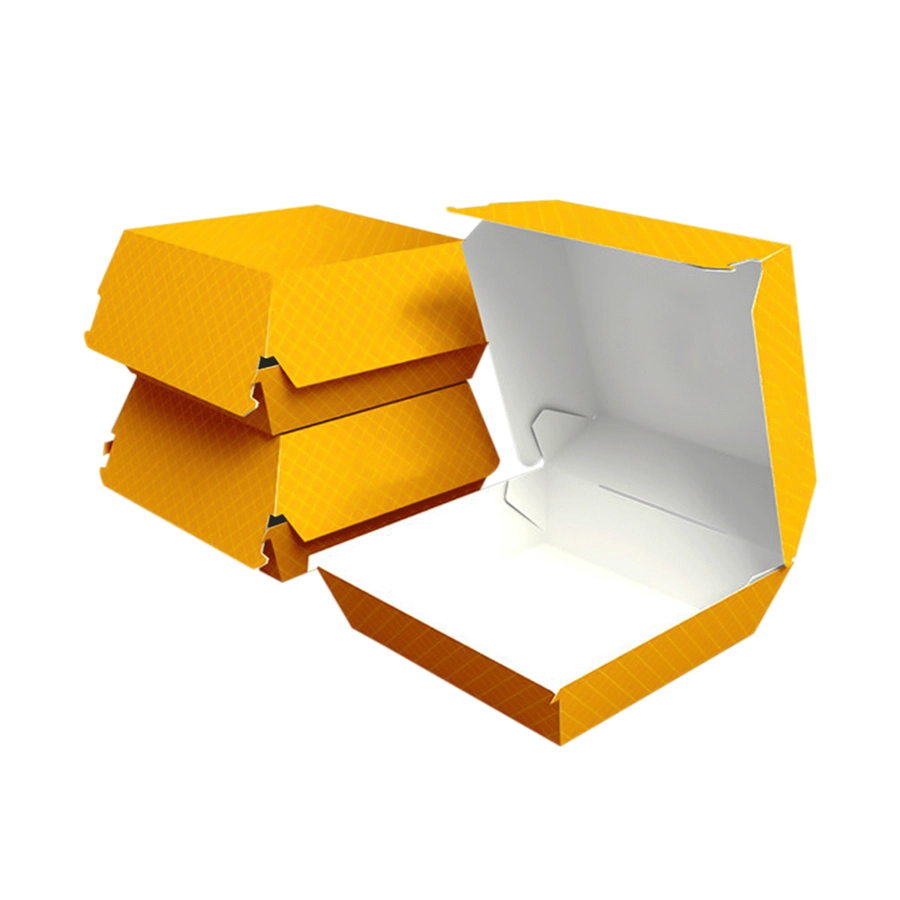
At our company, sustainability and environmental responsibility are key to creating a better world for future generations. That's why we've developed an eco-friendly food delivery packaging option that is stylish and functional.
Our packaging is made from recycled materials, designed to be reusable and recyclable, and produced with minimal environmental impact. We understand the importance of ensuring our customers receive their orders safely while doing our part to reduce waste.
Our eco-friendly food delivery packaging solution allows you to enjoy delicious meals without worrying about your environmental impact!
100% Recycled Eco-friendly Food Packaging Bags
Our 100% Recycled Eco-friendly Food Packaging Bags are the perfect eco-friendly and stylish option for your customers. These bags are made of recycled paper, making them an ideal choice for those looking to reduce their environmental impact while staying on trend with this season's fashion.
Not only are they great for shopping trips, but they also make excellent gift bags or party favors. The deep brown color gives these bags a classic look that won't go out of style. Plus, they are lightweight and durable, so you can use them repeatedly without worrying about wear and tear.
Whether you're looking to reduce your carbon footprint or add a touch of sophistication to your shopping experience, our 100% Recycled Brown Kraft Shopping Bags are perfect.
How our Eco-friendly Food Packaging Supplies Make the Difference?
In today's world, sustainability is becoming increasingly important. As a business, we must look for ways to reduce our environmental impact and do our part in protecting the planet. One of the most effective ways to make an impact is by using eco-friendly food packaging supplies for all our products.
Our company takes sustainability seriously and strives to use environmentally conscious solutions whenever possible. We have implemented several strategies that allow us to use eco-friendly food packaging supplies without compromising quality or convenience.
First, we source recycled materials as much as possible for our packaging needs. This includes using cardboard boxes made with post-consumer waste paper, biodegradable plastic bags with plant-based ingredients instead of petroleum-based ones, and reusable jars and containers for our products.
Additionally, we look for suppliers who use energy-efficient methods of production and transportation to reduce the footprint of our packaging. We also ensure all our labels are printed on recycled paper with soy-based inks that don't contain any hazardous chemicals.
Finally, we regularly recycle any packing materials that come into our facility, so they don't end up in landfills. By utilizing these eco-friendly food packaging supplies, we can help reduce our environmental impact while still providing top-quality products to customers.


















.webp "Christmas Apparel Boxes")
.jpg "Green Tea Packaging")