What Is Custom Heat Seal Paper?
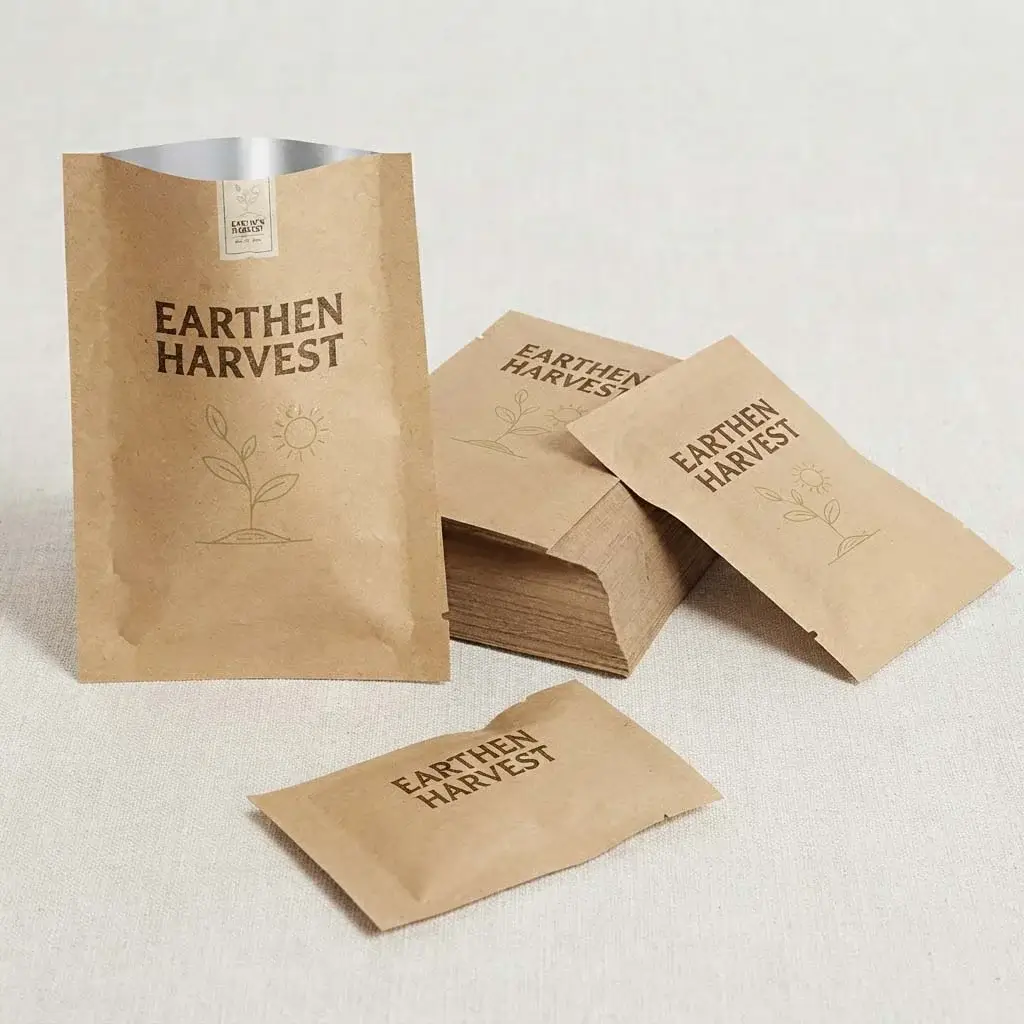
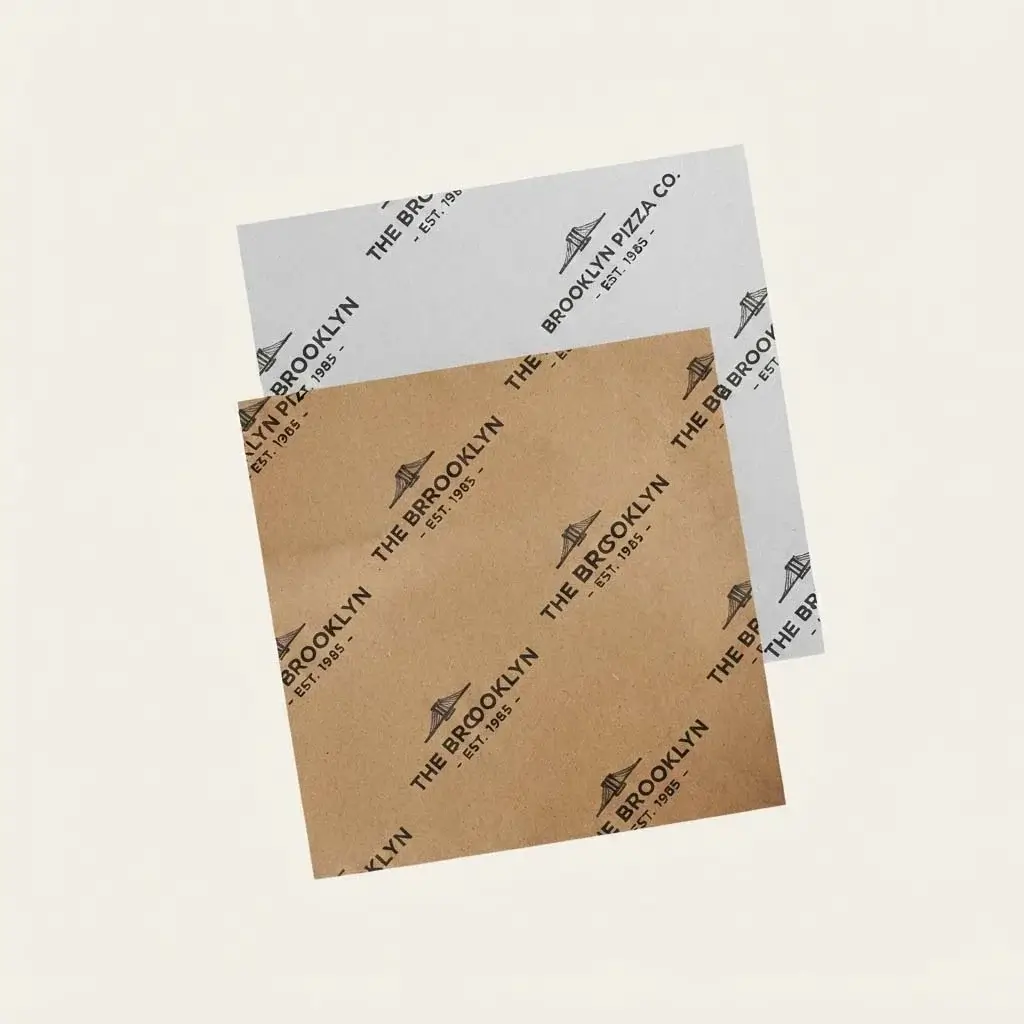
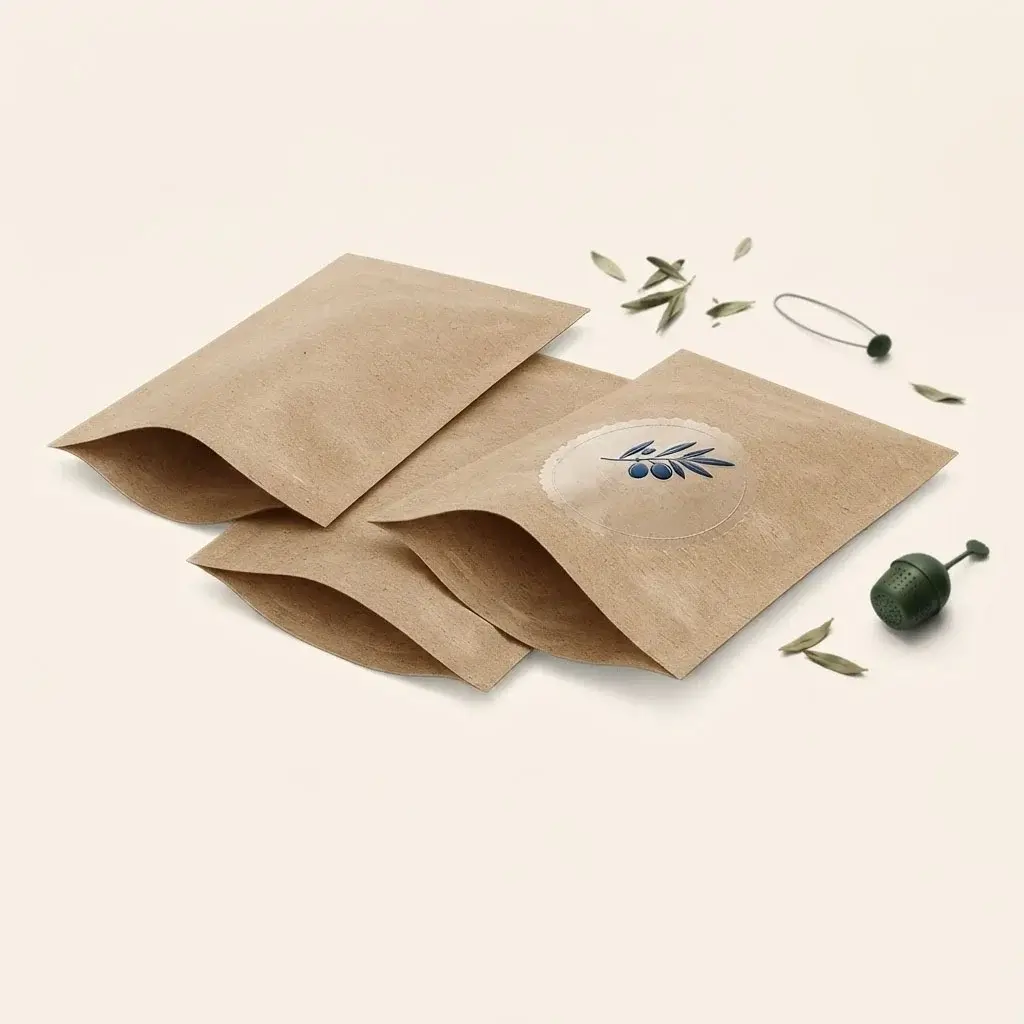
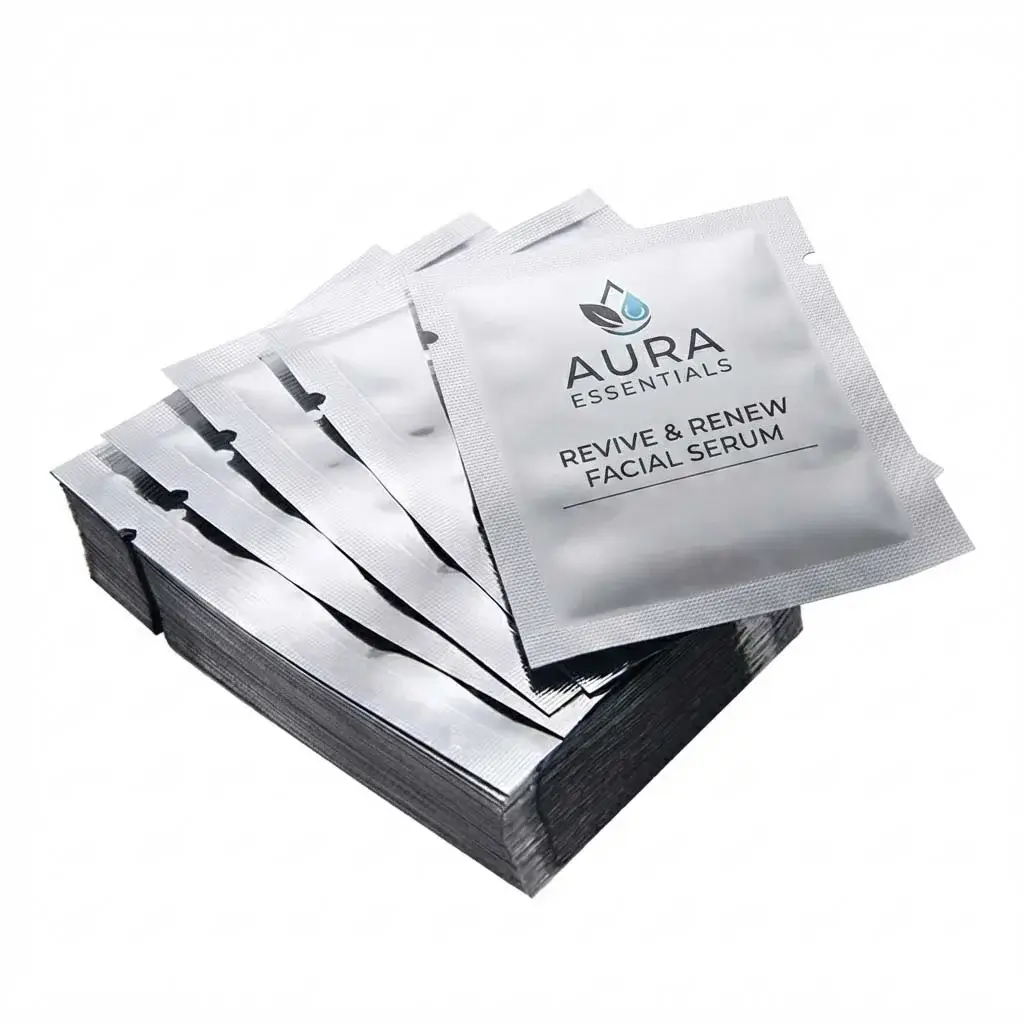
Heat seal paper is a high-performance packaging substrate combining a cellulose base sheet of Kraft paper, parchment paper or greaseproof paper with an ultra thin and heat activated barrier coating. The coating melts at a controlled temperature to create a hermetic and leak proof bond with itself or other compatible materials when processed through heat sealing equipment or standard heat presses. So, it is unlike traditional food wraps that require tape, labels or external adhesives. We craft food grade and eco friendly heat seal paper sheets and rolls customized to your exact brand aesthetics and structural packaging requirements.
Essential Structural and Performance Characteristics
The performance characteristics of the heat sealable printed food papers help to maintain the integrity of the product during transportation and presentation:
- Airtight Seal: The package creates a hermetic seal protecting the product from any external moisture and biological contamination.
- Resistance to Greases and Moisture: The package is designed to resist greases and moisture penetration to avoid surface staining in fast food, deli, and bakery wrapping.
- Controlled Barrier Performance: Engineered to specific Moisture Vapor Transmission Rates (MVTR) and Oxygen Transmission Rates (OTR) to extend product shelf life.
- Food-Contact Safe and Odorless: Formulated using low migration and food grade materials and water based inks that leave the original aroma and taste of your food untouched.
- Temperature Versatility: Built to maintain structural integrity across cold storage and warm holding environments.
Feature | Description | Technical Notes |
|---|
Base Paper Types | Bleached Kraft, Unbleached Kraft, Parchment and Greaseproof | 100% pure cellulose base |
Paper Weight | 35 GSM – 90 GSM | Light to heavyweight options available |
Heat-Seal Coatings | Polyethylene , Polypropylene and Water Based Dispersion and Bio based PLA | Single sided or double sided application |
Seal Activation Temp | 80°C – 120°C | Instant activation under standard heat press/crimper |
Freezer Resistance | Safe down to -18°C | Prevents freezer burn and moisture loss |
Heat Resistance | Up to 120°C | Suitable for hot food wraps and not for oven baking or microwaves |
Printing Compatibility | Flexographic, Digital, Offset, Silkscreen | 1 to 4+ CMYK or PMS color matching with soy or water based inks |
Certifications | FDA, FSC, ISO 9001, ISO 22000, BRCGS, Halal and Kosher | Compliant with EU Regulation No. 1935/2004 |
Manufacturing Process of Heat Seal Paper Bags
The manufacturing process involved in heat seal bags is quite lengthy than flat heat seal paper because not only do you have to apply the sealing layer on the base sheet but also turn it into a bag with side seals, bottom seals and usually a printed face. Each step outlined below is closely monitored to ensure that the bag is a good sealer, waterproof and durable enough for transportation.
1. Raw Material Selection and Pulping
The process starts with the selection of cellulose fibers just like a custom hot paper from either fresh wood pulp or recycled materials, depending on the strength and elasticity of the bags needed. The fibers are then mechanically or chemically pulped before cleaning them from any dirt and metallic parts. The cleaning process is the point at which the quality of the fibers and uniformity is established and dictates how well the bags will seal.
2. Bleaching and Purification
The cleaned pulp undergoes a bleaching process that involves the use of oxygen, hydrogen peroxide or totally/elemental chlorine free (TCF/ECF) bleaching processes to remove the lignin and the natural pigments present in the pulp. The bleaching process makes the paper safer since it will increase its hygiene level, whiteness and printability. In addition, it enhances the adhesion of the coating layer to the paper in the latter processes.
3. Mixing and Forming
The purified pulp is blended with water, sizing agents,and strength resins tailored to the bag's intended use like grease resistance for food packaging, higher tensile strength for industrial pouches or added softness for medical applications. This mixture is pumped onto a paper machine, where it is formed into a continuous base sheet with uniform thickness and surface texture, ready for pressing and coating.
4. Pressing
The wet sheet passes through a series of press rolls that remove excess water, strengthen fiber to fiber bonding and smooth the surface. Even pressing is essential for bag production specifically, because an inconsistent surface can cause weak points along the seal lines once the sheet is later folded and heat sealed into a pouch shape.
5. Drying
The thermal drying cylinders or the infrared hot air systems reduce the moisture content of the sheet to an acceptable and constant level. This avoids any risk of wrinkles, shrinking, or warping of the sheet in the subsequent steps. A properly dried sheet is what allows the coating layer to apply evenly across the entire surface.
6. Heat Seal Coating Application
This is the defining step for heat seal bags. A thin and food safe heat seal layer typically polyethylene (PE), a soy based coating or a water based dispersion barrier is applied to one or both sides of the paper, depending on whether the bag needs an inside only seal or a fully sealable interior and exterior. Additional functional coatings may be layered in depending on the bag's end use:
- Grease-resistant coatings (e.g, AKD based) for food wraps and bakery bags
- Moisture barrier coatings (PE or PVDC) for bags holding dry or perishable goods
- Oxygen barrier coatings (EVOH based) for vacuum sealed or shelf stable products
- Release coatings (silicone based) for easy peel or resealable bags
The coated sheet then passes through temperature controlled drying cylinders so the barrier layer sets into a smooth, uniform and heat responsive surface that activates reliably during sealing.
7. Calendering
The coated sheet is calendered and passed through pressure rollers to level the surface, control gloss and bring the thickness to a precise micron level tolerance. A smooth and consistent surface at this stage is what allows sharp, clean printing and dependable or wrinkle free seals once the sheet is converted into bags.
8. Printing
If the bag will carry branding, barcodes or product information, the sheet is run through food safe printing lines using biodegradable, low migration and FDA approved inks. These inks are applied in a way that does not interfere with the heat seal function underneath and they are formulated to stay vibrant and smudge resistant even when exposed to heat and moisture during sealing.
9. Slitting and Cutting
The finished roll is slit to the specific web widths required for bag forming machines and trimmed along the edges for a clean and even profile. This step converts the large master roll into precisely sized paper webs that feed directly into the bag converting line, minimizing waste and setup adjustments downstream.
10. Bag Forming and Converting
This is where the flat and coated sheet becomes an actual bag. The web is fed through forming machinery that folds it into the desired bag style including flat, gusseted, stand up pouch or satchel and then applies heat and pressure along the bottom and side seams using the heat-seal coating itself as the bonding agent. This stage also adds:
- Bottom or side gussets for capacity
- A top opening and fold over flap or resealable strip
- Perforations or tear notches for easy opening
- Handles or hang holes for retail display if required
Since the strength of the seal of the finished bag is completely dependent upon this process, the temperature, pressure, and dwell time are strictly regulated and controlled during the manufacturing process.
11. Finishing and Quality Inspection
Finished bags undergo a full round of testing before shipment: seal strength and burst testing, grease and moisture resistance checks, ink adhesion tests and surface inspection for coating uniformity or defects. Approved batches are then counted, bundled and packed in moisture proof packaging so the bags arrive at the customer in the same condition they left the factory.
Customization Options for Custom Heat Seal Bags Wholesale That Make the Difference
Your bags need to be tailored in accordance with the requirements of your products and not just meet general criteria. No matter if you require packaging for bakery, snacks, pharmaceutical, or industrial products, we will assist you with everything from designing to manufacturing the pouches. You have an option to include QR codes, logos, your favorite color schemes, and any designs you may prefer, and if you do not know how to start, we will help you make all decisions.
Dimensions and Bag Style in Your Own Way
No single bag size or style fits every product, so we offer a range of dimensions, gauges and bag formats to match. Our recommended sizes for custom heat seal bags are:
4" x 4" | 5" x 5" | 6" x 5" |
7" x 5" | 7" x 7" | 8" x 5" |
8" x 8" | 8.5" x 11" | 9" x 5" |
9" x 9" | 10" x 5" | 10" x 6" |
10" x 10" | 10.75" x 10" | 12" x 6" |
12" x 9" | 12" x 10" | 12" x 12" |
13" x 9" | 13" x 10" | 13" x 13" |
15" x 9" | 15" x 10.75" | 15" x 12" |
16" x 12" | 17" x 11" | 18" x 10" |
18" x 13" | 20" x 10" | 20" x 12" |
20" x 15" | 20" x 18" | 20" x 20" |
20" x 28" |
|
|
Bags are produced as flat pouches, gusseted bags, stand-up pouches, or satchels, with or without a resealable strip, tear notch or hang hole all designed around your product's shape, weight and shelf presentation.
Coatings and Printing Options for the Custom Heat Seal Paper for Food
We offer coatings such as:
We will assist you in determining which coating is right for your product based on its weight and exposure to heat, oil, and moisture because the coating determines the strength of the seal. Our offerings include:
- Flexographic Printing
- Digital Printing
- Offset Printing
- Silkscreen Printing
We support CMYK and PMS color matching on single or double sided printing. We will recommend the best method depending on your artwork: one or two color prints tend to work best on coated bag surfaces to keep ink crisp and prevent spreading. All printing inks we use are food-safe and water-based, which makes them effective, eco friendly and well suited to the porous surface of heat seal paper bags.
Why Choose The Packaging Tree for Custom Heat Seal Sheets and Rolls?
Partnering with The Packaging Tree means choosing uncompromised quality, wholesale affordability and dedicated packaging expertise personalized to your brand. With years of experience producing sustainable and food safe paper solutions across the USA, we combine state-of-the-art lamination and printing technologies with customer-first perks designed to maximize your ROI. Whether you need low minimum order quantities (MOQs) for product launches or high-volume wholesale runs with bulk savings, we deliver custom heat seal sheets and continuous rolls engineered to perform on your sealing lines. Whether it’s our free design services, free shipping anywhere across the nation, fast turnaround time of only 8-10 business days or our 24/7 customer service; we make buying heat seal packaging easy, convenient and effective for you.